Safety in Andorra: what you need to know before living or staying there
Andorra is a country known for having a very low rate of insecurity which is close to 0%. Myth or reality, future expatriates wonder about the veracity of this information. What is the real context in Andorra in terms of security? What are the measures taken by its government to keep the country among the safest in the world? Why is the Principality of Andorra a safe country?
Andorra is considered a peaceful destination, both by travellers and by people considering moving there. Its small size, relatively limited population and the visible presence of security services all contribute to this reputation. However, living or travelling in a country known for being safe does not mean that no risks exist. Opportunistic theft, road safety, online scams and incidents linked to the high number of tourists are among the situations that it is still useful to be aware of. So, what is safety in Andorra really like today? Here are the main points to know to understand the situation and adopt the right precautions while there.
What is the level of safety in Andorra today?
On a daily basis, Andorra offers a relatively peaceful environment. The offences most likely to directly affect a resident or visitor tend to involve petty crime rather than serious acts of violence.
However, this situation should be interpreted with caution. Directly comparing crime rates between several countries can be misleading, as methods for recording offences, criminal categories and reporting rates are not necessarily the same from one country to another.
To understand how the situation is actually evolving, it is advisable to consult the reports published by the Andorran Police, communications from the Government of Andorra and available judicial statistics as a priority. Andorra's strong reputation for safety does not mean that recent data should be overlooked or that the usual precautions should be abandoned.
What are the main risks in Andorra?

For visitors, the most tangible risk is the same one found in most tourist destinations: losing personal belongings or becoming the victim of an opportunistic theft in a crowded place.
Shopping centres, car parks, ski resorts and events attracting large crowds call for normal vigilance. It is advisable not to leave a phone, wallet, documents or ski equipment unattended simply because the surroundings appear particularly peaceful.
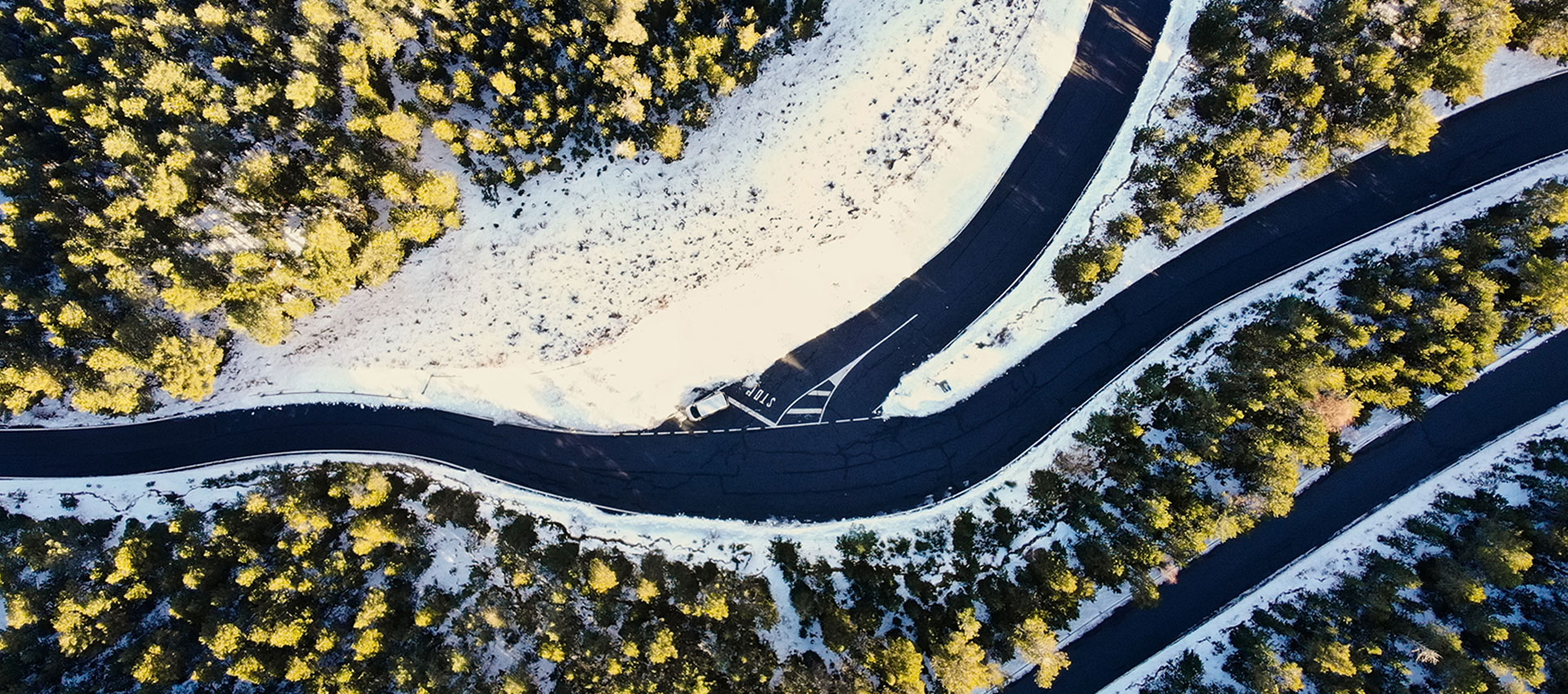
Road traffic is another important aspect of local safety. Andorra is a mountainous country where driving conditions can change quickly. In winter, snow, ice, reduced visibility and high-altitude roads can pose a much more tangible risk to travellers than crime.
Finally, digital scams should also be taken into account. As elsewhere in Europe, phishing, identity theft, fake messages, banking fraud and fraudulent advertisements can affect both individuals and businesses. For example, an unusually attractive rental offer or an urgent payment request should be verified before making any transaction.
Why does Andorra create such a strong sense of safety?
The country's geographical configuration partly contributes to its particular way of functioning. With a territory of approximately 468 km² located in the heart of the Pyrenees, Andorra has a limited number of major routes for entering and leaving the country.
Its size makes it easier for public services, local authorities and the population to remain close to one another. In a small territory, response distances are limited and security forces have detailed knowledge of the area.
There is also the necessary cooperation with France and Spain. International travel, road traffic and certain forms of crime obviously do not stop at Andorra's borders. Cooperation with neighbouring countries plays a role in managing cross-border issues.
Institutional stability also contributes to the general sense of tranquillity. However, it would be excessive to attribute the low level of crime to a single cultural, geographical or political characteristic. The safety of a territory always results from several factors.
How is safety ensured on a daily basis?

The Andorran Police is one of the main actors responsible for internal security. Its duties include preventing and reporting offences, maintaining public safety, conducting investigations and carrying out various control operations. Other services are involved depending on the nature of the situation, including firefighters, medical services and Civil Protection.
In shopping areas, hotels, banking establishments, car parks and certain tourist facilities, private security measures complement the work of the authorities. Access controls, surveillance systems and internal procedures help prevent incidents and facilitate their management when they occur. This organisation becomes particularly visible when the number of visitors to the country increases.
Tourism: should you take extra precautions during the high season?
The number of people present in Andorra varies considerably depending on the time of year. In winter, ski resorts attract many visitors, while shopping areas can become particularly busy during weekends, holidays and certain events. This influx does not suddenly turn Andorra into a dangerous destination. However, it does change the situations a visitor may encounter.
In a very busy resort, keeping an eye on your phone, wallet and equipment remains sensible. On the road, the main priority is to adapt your driving to weather conditions and traffic congestion. For a seasonal rental booked online, it is advisable to verify the identity of the person you are dealing with and the payment terms before sending any money.
These are simple precautions, but they are more relevant to the actual risks of a stay in Andorra than a general concern about violent crime.

Is living in Andorra with children reassuring?
Safety is naturally an important consideration for families thinking about moving to the principality. The size of the municipalities, the proximity of services and the relatively peaceful environment can contribute to a reassuring daily life.
However, it is important to distinguish between a sense of safety and the complete absence of risks. For a family, practical considerations also include school travel, road traffic, mountain activities, winter weather conditions and children’s use of the Internet.
A successful relocation requires knowing the services available in your municipality, the school your children attend, the available transport options and the procedures to follow in an emergency. For an expatriate discovering the country, this practical information is often more useful than a simple international safety ranking.
Realize your expatriation project without further delay!
Make an appointment
What should you do in an emergency in Andorra?
Even when the likelihood of an incident is low, knowing who to contact allows you to react more effectively.
112 is the European emergency number available in Andorra for urgent assistance. The Andorran Police can also be contacted directly on 110.
In the event of an accident or medical problem requiring hospital care, Hospital Nostra Senyora de Meritxell is the country’s main hospital.
For a non-urgent situation, it is preferable to identify the appropriate service rather than systematically using an emergency number. Depending on the issue, this may be the police, a healthcare professional, Civil Protection, your local municipality or, for a foreign national, the relevant consular services.
Before travelling, saving the main useful numbers in your phone and keeping an accessible copy of your important documents are simple precautions. In the mountains or during severe weather conditions, it is safer to follow the instructions issued by the local authorities.
Cybersecurity is also becoming an issue in Andorra
Security is no longer limited to offences committed in public spaces. The digitalisation of administrative procedures, payments and communications exposes Andorran residents and businesses to the same forms of fraud encountered in other European countries. Phishing attempts, fake banking messages, identity theft and certain types of online transaction fraud also require particular vigilance.
For newcomers, this caution is especially useful when looking for accommodation. You should avoid transferring a large amount of money based solely on a few online exchanges without sufficiently verifying the identity of the owner or intermediary, the existence of the property and the terms of the contract.
More generally, an unusual payment request, a message artificially creating a sense of urgency or a request for banking information should prompt you to carry out an independent verification.
Is Andorra really a safe country?
For most residents and visitors, Andorra offers a relatively peaceful everyday environment. The small size of the territory, the proximity of services and the local organisation all contribute to this sense of safety.
However, it would be misleading to present the principality as a territory without crime or risk. Opportunistic theft does occur, online scams are an increasingly important concern, and road and mountain-related risks deserve particular attention.
The best approach is to avoid two extremes: considering Andorra dangerous would not accurately reflect everyday life, but claiming that nothing can happen would be equally imprudent.
When preparing for a stay or relocation, the most reliable information remains that published directly by the Andorran authorities. Police statistics make it possible to monitor developments in crime, while the Government and Civil Protection provide useful safety information and recommendations.
In practice, a few habits are sufficient in most situations: keep personal belongings under supervision in crowded places, verify payment requests received online, adapt your driving to mountain conditions and know the emergency numbers.
Ultimately, it is this combination of a generally peaceful environment and ordinary precautionary habits that allows you to enjoy Andorra in good conditions.