The 7 parishes of Andorra: understanding their differences to make the right choice
In Andorra, there are no departments, provinces or regions. The country is divided into seven parishes: Canillo, Encamp, Ordino, La Massana, Andorra la Vella, Sant Julià de Lòria and Escaldes-Engordany. This organisation can be surprising when first discovering the Principality. Yet it is essential to understanding the country. A parish is not simply a division drawn on a map. It has its own local administration, villages, heritage and, above all, a strong identity.
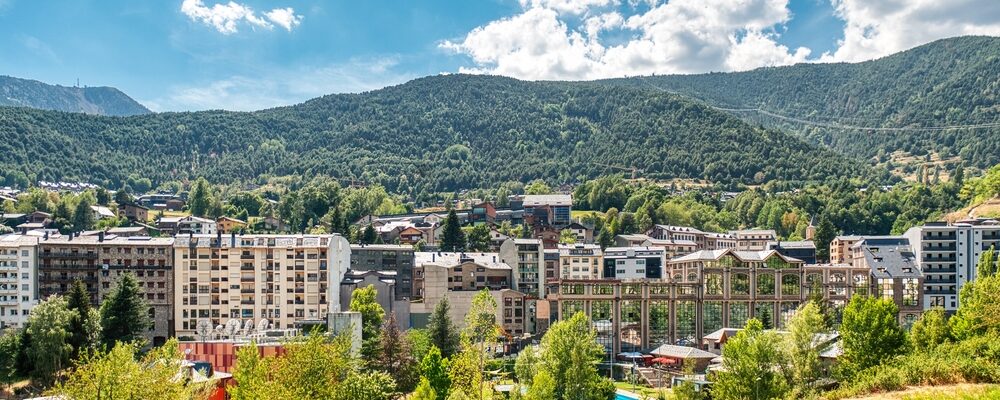
From the lively atmosphere of Andorra la Vella to the unspoilt landscapes of Ordino, the mountain resorts of Canillo and the proximity of the Spanish border in Sant Julià de Lòria, travelling just a few kilometres can sometimes mean a completely different environment. Understanding these differences is particularly useful before choosing where to live, planning a stay or simply trying to understand how Andorra works on a day-to-day basis.
What is a parish in Andorra?
The term parish has religious origins, but its current meaning in Andorra is primarily administrative and territorial. This organisation has its roots in the history of mountain communities. For centuries, residents gathered around villages and their churches, which were important centres of community life. This longstanding organisation gradually gave rise to the territorial divisions that exist in the Principality today.
Parishes now play a role that is, to some extent, comparable to that of municipalities in other European countries. Each has a local administration known as a Comú, which is responsible for part of local affairs. Urban planning, the maintenance of certain public spaces, communal facilities, cultural activities and some aspects of territorial management are therefore decided at parish level. The State retains its own national responsibilities alongside these local powers.
This organisation explains why choosing a parish can have a real impact on everyday life. Living in Ordino does not offer the same atmosphere as settling in the centre of Andorra la Vella, even though distances remain relatively short by the standards of the country.
The 7 parishes of Andorra at a glance
Each of the seven parishes has a sufficiently distinct profile to make it difficult to identify one as “the best”. It all depends on what you are looking for.
Andorra la Vella is an urban parish. The capital is both the country's administrative and commercial centre. It is located at an altitude of around 1,023 metres.
Escaldes-Engordany is an urban parish known for its thermal centres and facilities related to winter sports. It is located at an altitude of around 1,050 metres.
Located at an altitude of nearly 1,526 metres, Canillo is an alpine and tourist destination. You can enjoy skiing and explore its Romanesque heritage.
Encamp provides access to the large Grandvalira ski area. You can also enjoy its museums and historic sites, hiking trails and modern facilities.
Ordino is both unspoilt and rich in heritage. Located at an altitude of 1,300 metres, it offers beautiful scenery combining the Ordino Valley, cultural heritage and mountains.
La Massana is a particularly sporty and residential parish. At an altitude of around 1,246 metres, it offers residents access to natural surroundings ideal for outdoor activities such as hiking and mountain biking.
Sant Julià de Lòria is particularly residential. Located close to Spain, it sits at an altitude of around 900 metres.
These characteristics provide a useful first overview, but they are not enough to choose where to live. In Andorra, traffic, altitude, sun exposure, proximity to work or school and the type of accommodation you are looking for can be just as important as the name of the parish. It is therefore advisable to consider each area in greater detail.
Andorra la Vella: living in the heart of the capital
Andorra la Vella is both a parish and the capital of the Principality. It is home to a large part of the country's administrative, institutional and commercial activity.
Its historic centre, the Barri Antic, nevertheless reminds visitors that the capital is about more than just shops. Its streets and stone buildings offer a glimpse of an older Andorra, particularly around Casa de la Vall, which played a central role in the country's parliamentary life for many years.
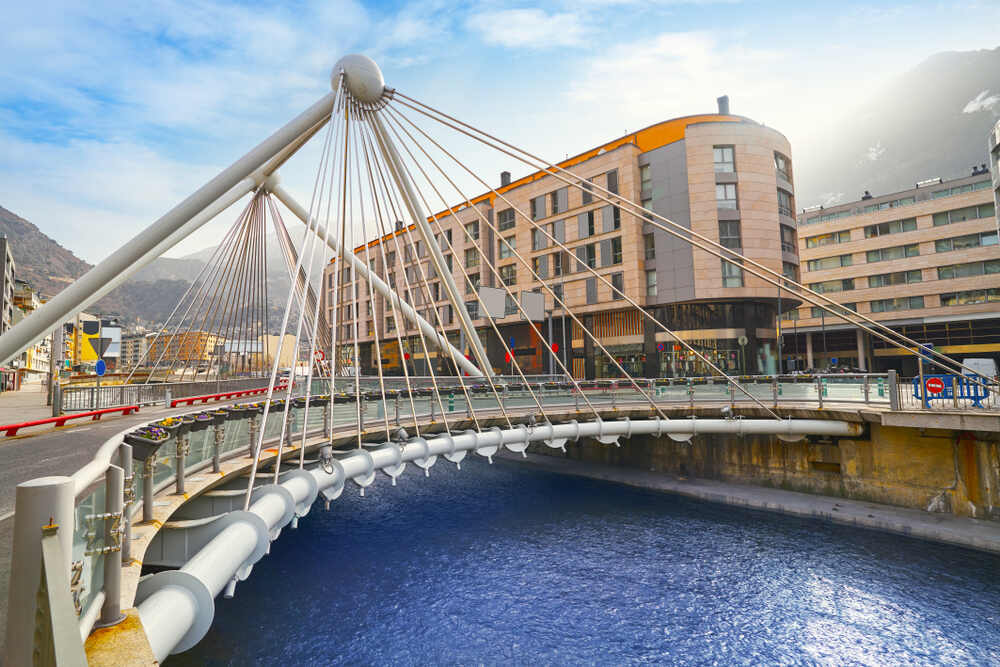
Just a few minutes' walk away, the atmosphere changes. Meritxell Avenue is one of the Principality's main shopping streets, lined with shops, restaurants, hotels and services.
This density is one of the parish's main advantages for those who want to live in Andorra without being too far from everyday services. Government offices, shops, schools, sports facilities and public transport are all easily accessible.équipements sportifs et transports y sont facilement accessibles.
The trade-off is fairly obvious: the environment is more urban and lively than in the parishes located higher up in the valleys.
For someone who regularly works in the centre, prioritises proximity to services or wants to minimise certain journeys, Andorra la Vella is naturally worth considering.
Escaldes-Engordany: thermal baths, shopping and urban life
Today, Escaldes-Engordany and Andorra la Vella form an almost continuous urban area. On foot, visitors may not always immediately notice when they cross from one parish to the other. Escaldes nevertheless has its own identity, historically linked to its hot springs.
Thermal bathing remains one of its best-known symbols thanks to Caldea, whose architecture has become a recognisable feature of the Andorran landscape. However, reducing Escaldes-Engordany to its thermal centre would overlook much of what the parish has to offer.
Avinguda Carlemany, particularly its pedestrianised section, is home to shops, cafés and restaurants. The parish therefore offers a highly urban lifestyle while remaining within immediate reach of the mountains.
For residents, this balance can be appealing. You can enjoy the services of the city centre without necessarily living in the heart of the capital. As always in Andorra, however, the neighbourhood and the exact location of the property can make a significant difference.
Encamp: between village life and access to Grandvalira
Encamp offers a different perspective. The mountains take up more space here without isolating residents from the main services. The parish is particularly well known for its access to the Grandvalira ski area. From Encamp, the Funicamp provides access to the higher-altitude ski sector and is an important part of the winter tourism offering.
But Encamp does not revolve solely around skiing. Local heritage, such as the Church of Sant Romà de les Bons, bears witness to the valley's long history. During the warmer months, hiking opportunities and mountain landscapes naturally take over from winter activities.
This combination explains why Encamp appeals to people who want relatively convenient access to the centre of the country while living in a more mountainous environment.
The parish also includes Pas de la Case, located on the French border at a significantly higher altitude. Living conditions and the atmosphere there are very different from those in central Encamp. It would therefore be an oversimplification to consider Encamp as a homogeneous area.
Canillo: an Andorra firmly focused on the mountains
Canillo is one of the parishes that most immediately embodies the Principality's Alpine character. Landscapes play a central role, as does religious heritage. The Romanesque Church of Sant Joan de Caselles, located near Canillo, is one of the area's most emblematic monuments.
In recent years, the Canillo Tibetan Bridge has also become a highly visible attraction in the parish. It illustrates how local tourism has evolved and is no longer based solely on winter sports. Canillo nevertheless remains closely associated with the mountains and skiing thanks to its access to Grandvalira. When the snow disappears, hiking trails, high-altitude routes and mountain lakes take over.
For year-round living, however, it is important to look beyond the postcard image. Altitude, daily travel and the distance to the centre of the country should all be taken into consideration. A spectacular setting does not necessarily suit everyone's lifestyle.
For those who place great importance on having the mountains immediately on their doorstep, however, Canillo has some strong advantages.
La Massana: a destination particularly popular with sports enthusiasts
In La Massana, outdoor living is everywhere. The parish provides a gateway to Comapedrosa, the highest peak in Andorra. Hiking naturally plays an important role, but La Massana has also built a strong reputation in the mountain biking community.
This sporting identity does not prevent the parish from having a strong residential character. It is relatively close to Andorra la Vella, making it possible to seek a more mountain-oriented environment without completely giving up access to the services of the centre.
However, the different villages within the parish do not all offer exactly the same setting. La Massana, Anyós, Erts, Arinsal and Pal each have different atmospheres and locations.
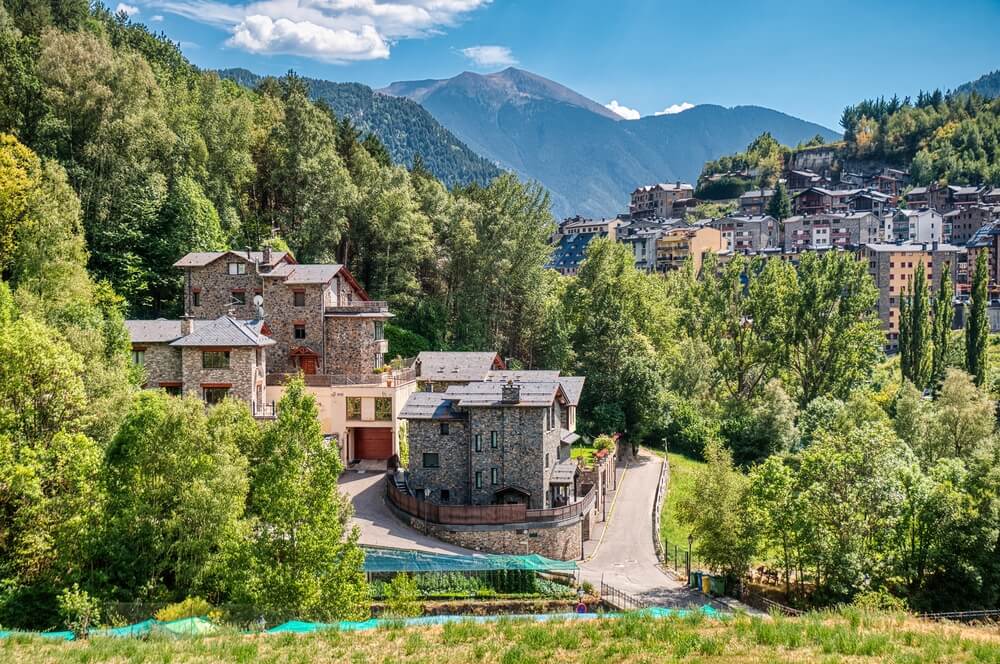
This is an important consideration when planning a move to Andorra. Choosing a parish is only the first step. The village, property's exposure to sunlight and accessibility can then significantly affect the day-to-day experience.
Ordino: heritage and unspoilt landscapes
Ordino has a distinctive image in Andorra. Its historic centre, traditional houses and mountain surroundings give it a more peaceful atmosphere than the central valley.
The parish is also closely associated with environmental preservation. Since 2020, the entire territory of Ordino has been recognised by UNESCO as part of its Man and the Biosphere Programme. This recognition reflects the identity that the parish seeks to preserve: an inhabited and vibrant territory where the relationship with the natural heritage plays an essential role.
Ordino also has a rich cultural heritage. Its historic houses and museums provide a better understanding of the evolution of Andorran society and the importance of traditional activities in the Pyrenean valleys.
For a future resident, Ordino can be appealing because of its tranquillity and natural surroundings. As with the other mountain parishes, however, choosing this area means accepting more frequent travel for certain activities or services.
Sant Julià de Lòria: the southern gateway to Andorra
Sant Julià de Lòria is the southernmost parish in the country. Its proximity to the Spanish border is one of its most obvious characteristics. This location can be convenient for people who regularly travel to Catalonia or want quick access to Spain.
The parish also stands out for its generally lower altitude compared with the areas in the north of the country. Its surroundings and vegetation create a different impression from what you encounter in the higher areas of Canillo or Encamp.
Sant Julià is also home to the University of Andorra, giving it a distinctive educational dimension within the country. Higher up, the La Rabassa area offers a much more mountainous environment. This difference in altitude perfectly illustrates one of Andorra's particularities: just a few kilometres can be enough to go from an urban centre to a high-mountain landscape.
How do Andorran parishes work?
Each parish is administered by a Comú, the Andorran communal institution.
At its head are a major consul and a minor consul. Parish administrations are involved in various aspects of local life, including land-use planning, certain communal facilities and services, the maintenance of public spaces, culture and the management of part of the local heritage.
However, not every decision affecting a resident is made by the Comú. Responsibilities are divided between local administrations and national institutions. This distinction is useful when planning a move to Andorra. Depending on the procedure involved, the relevant contact may be the Government, a national administration or the Comú of the parish concerned.
You should therefore check directly with the official authorities regarding the procedures, taxes and rules applicable to your personal situation, rather than assuming that they are the same in every parish or remain unchanged from one year to the next.
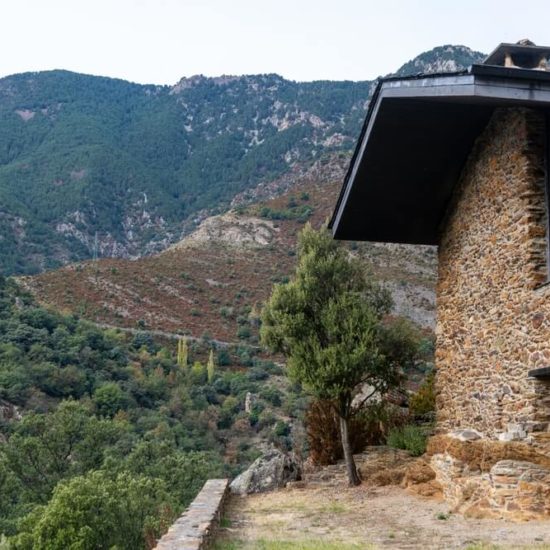
Local festivals: another way to understand the parishes
To understand the role of the parishes in Andorran society, sometimes all it takes is attending a local festival.
The Festes Majors, organised in different parishes and villages, are among the occasions when this local identity becomes particularly apparent. Music, dancing, food, social gatherings and traditions bring residents and visitors together around a heritage that extends beyond monuments.
Other celebrations are shared across the country. The Feast of Our Lady of Meritxell, celebrated on 8 September, for example, holds a special place in the Andorran calendar. These events offer an opportunity to discover a side of the Principality that is less visible when focusing solely on ski resorts, shops or the main tourist attractions.
For someone who has recently moved to Andorra, attending events organised by their village or Comú can also be a very practical way to discover local life and meet residents.

Realize your expatriation project without further delay!
Make an appointment
Which parish should you choose to live in Andorra?
There is no single parish that is objectively better suited to everyone. Someone who wants to be able to walk to shops and services may naturally consider Andorra la Vella or Escaldes-Engordany. Someone looking to be close to the ski slopes may be more interested in Canillo or Encamp. La Massana is well suited to those looking to combine mountain activities with relatively easy access to the centre, while Ordino is likely to appeal more to those who prioritise an unspoilt environment. Sant Julià de Lòria, meanwhile, can be particularly convenient when proximity to Spain is an important factor in regular travel.
However, these generalisations have their limits. Before making a decision, it is useful to explore the different areas in person at different times of the day. A property that looks ideal on a map may prove less practical depending on its exposure to sunlight, traffic, slope, parking or daily journeys.
In mountainous areas, sunlight exposure deserves particular attention. Two properties located relatively close to one another can receive very different amounts of sunlight depending on their position in the valley. The most suitable choice is therefore not necessarily the parish that is best known or most sought after. It is the one that genuinely matches the occupants’ lifestyle.
What should you remember about Andorra’s parishes before moving there?
The seven parishes provide an insight into a large part of Andorra’s identity. Despite the country’s small size, they offer surprisingly different living environments.
Andorra la Vella is the centre of administrative and urban life. Escaldes-Engordany combines thermal baths, shopping and proximity to the city centre. Encamp and Canillo provide direct access to wide-open spaces and ski areas. La Massana has a strong sporting and mountain-oriented identity. Ordino stands out for its heritage and unspoilt environment. Finally, Sant Julià de Lòria forms the country’s southern gateway and has particularly close links with the route towards Spain.
For visitors, understanding these differences makes it possible to discover an Andorra that is much richer than its image as simply a skiing or shopping destination. For future residents, this understanding becomes even more important: in such a mountainous country, a few kilometres, a few hundred metres of altitude or a different orientation can genuinely transform everyday life.
Ultimately, this is what makes Andorra’s parishes so interesting. They all belong to the same small country, but each offers its own way of experiencing life in Andorra.