
Principality of Andorra: why do professional athletes choose to settle there?
Between France and Spain, Andorra has gradually established itself as a popular place of residence for many professional athletes. Cyclists, drivers, skiers and other athletes are of course attracted by a competitive tax environment, but other reasons also encourage them to make the country their home. For an athlete whose daily life revolves around training, travel and competitions, the quality of life matters greatly. The mountains provide particularly interesting terrain for outdoor training, while the country’s small size makes everyday travel easier. Safety, privacy and proximity to France and Spain further enhance this environment.
Settling in Andorra, however, is not simply a matter of changing address. Administrative residence and tax residence are subject to specific rules. For an athlete who earns income in several countries, including bonuses, sponsorship contracts or image rights, the situation can quickly become complex. What are the main points to know before considering a move to Andorra as a professional athlete? Since tax and wealth-related matters can have significant consequences, they should be assessed individually with a qualified professional.
Andorra as a haven for athletes
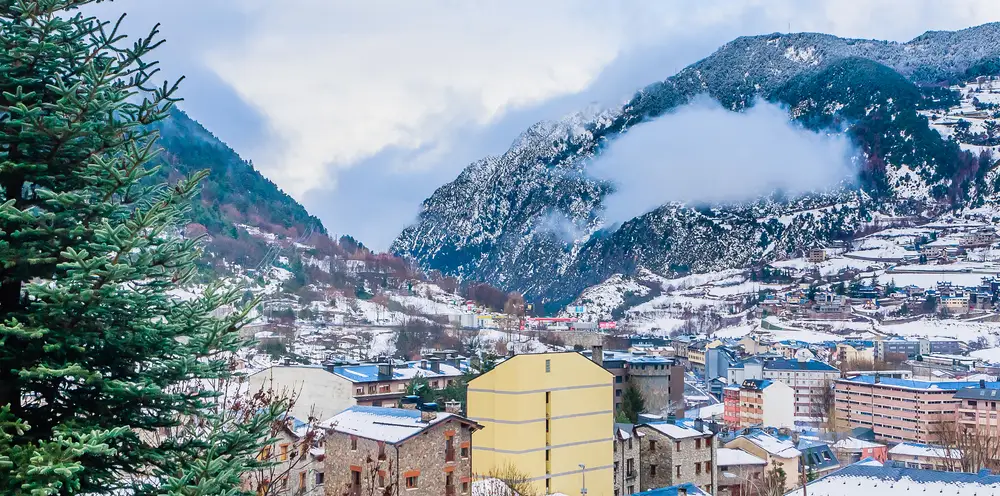
The first advantage of Andorra is quite tangible. Its environment is well suited to the needs of many athletes. For cyclists, trail runners, skiers or athletes involved in endurance sports, living in the heart of the Pyrenees provides access to demanding training terrain almost immediately upon leaving home. Altitude and terrain are an integral part of everyday life, without requiring regular trips to a distant training center.
The country’s peacefulness is also an important advantage. A well-known athlete may be looking for a place where it is possible to maintain a relatively private daily life, particularly when settling there with a partner or children.
The geographical location nevertheless involves a trade-off. Andorra provides road access to both France and Spain, but the Principality does not have a major international airport within its territory. For athletes who travel every week, this point should be taken into account from the outset.
Finally, there is of course taxation. Andorra’s personal income tax is significantly lower than the marginal rates applied in several major European countries. This is a potentially significant advantage, but only when residence in Andorra is genuine and the athlete’s international tax situation is properly structured.
Taxation of athletes in Andorra: what you really need to understand

The Andorran tax system is often presented through a single figure: a maximum personal income tax rate of 10%. This figure explains part of the country’s appeal, but it is absolutely not enough to determine how much an athlete will actually pay.
A professional athlete may receive income of very different types. Their salary or sporting bonuses may be paid in one country, their sponsorship contracts may be concluded with companies established elsewhere, and their image rights may be exploited across several territories. Where the income is generated, the applicable tax treaties and the rules of the country being left must all be considered together.
This is particularly important for an athlete coming from France or Spain. Obtaining an Andorran residence permit does not automatically mean that the tax authorities in the former country will consider the person to have permanently transferred their tax residence. The reality of the move matters. The person’s usual place of residence, family situation, professional activity, economic interests and the rules provided for under tax treaties may all be relevant to the analysis.
In other words, it would be risky to reason solely in terms of the number of days spent in the country. The 183-day rule is an important reference point when determining tax residence, but it should not be interpreted as an automatic guarantee that all tax residence rules of another state can be disregarded. For an international athlete, a preliminary assessment of their personal situation is preferable to focusing solely on a simple comparison of tax rates.
Administrative residence and tax residence: two concepts that should not be confused
A residence permit allows a person to live legally in Andorra according to the conditions attached to the status obtained. Tax residence, on the other hand, determines in which country a person is considered a resident for tax purposes. The two situations are related, but they are not interchangeable.
This is precisely why an expatriation project should be prepared before moving. An athlete who retains a home, family, activities or significant economic interests in their country of origin may find themselves in a much less straightforward situation.
Double tax treaties also play a major role. They help determine which state may tax certain types of income and, when a person has ties to several countries, allow their situation to be assessed according to the criteria set out in the relevant treaty. For professional athletes, this analysis is particularly important because of the international nature of their activities.
What residence status is available to a professional athlete?
Andorra provides for different categories of residence, and the appropriate status depends on the athlete’s actual plans.
Some international profiles may consider non-lucrative residence in Andorra, particularly under schemes intended for individuals who have achieved international recognition in certain fields, including sport. However, eligibility should never be assumed solely on the basis of being a professional athlete.
The nature of the activity, the applicant’s recognition, their financial resources, their plans for settling in Andorra and the regulatory requirements in force must be verified when the application is submitted. Financial thresholds, required supporting documents and eligibility conditions for the various statuses may change. It is therefore advisable to check the requirements directly with the Andorran authorities or a qualified professional. This precaution is all the more important because relocating may require significant financial resources and the submission of numerous supporting documents.
Preparing concretely for your move to Andorra
A successful expatriation usually begins several months before the move.
The first phase consists of determining the residence status that is actually suited to the athlete’s situation and assessing its tax implications. This is when income from competitions, the club or team, sponsorships, image rights and any companies owned by the athlete should be reviewed.
The next step is putting together the administrative file. Depending on the status applied for, it may be necessary to provide identity documents, proof of financial resources, criminal record certificates, health insurance, proof of accommodation and various documents confirming the applicant’s professional or personal situation.
The Andorran authorities may require certain formalities for foreign documents. It is therefore better to identify the required documents sufficiently early rather than gathering them just a few days before submitting the application.
Finding accommodation is another important step. Beyond any potential administrative requirement, its location should be considered in relation to the athlete’s actual daily routine. It may be essential to consider the training location, schools, medical facilities, shops and routes for quickly leaving the country. For an athlete who travels frequently, the time needed to reach the main nearby airports may be just as important as the size or standard of the property.
Training and everyday life in Andorra
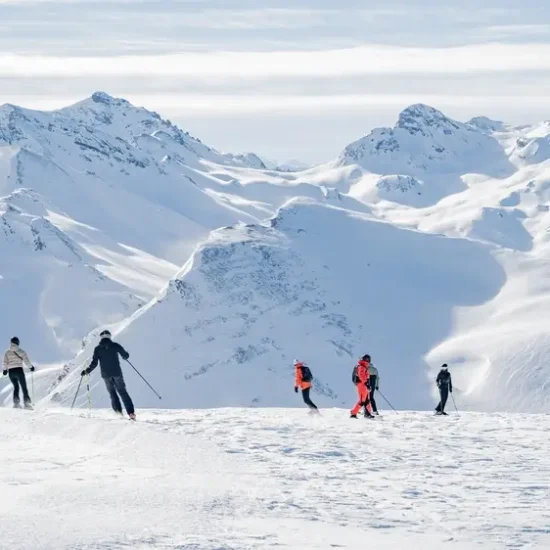
This is probably where Andorra’s appeal for certain athletes becomes most obvious. The Pyrenean terrain makes it possible to practice many outdoor activities within a relatively small area. Road cycling, mountain biking, trail running, hiking, skiing and altitude training can therefore naturally become part of an athlete’s training schedule.
Andorra also has various sports facilities and centers dedicated to training and recovery. For a professional athlete, however, the question should not simply be whether a gym or stadium exists. It is important to check whether the facilities are specifically suited to their discipline, level and the requirements of their coaching staff.
The linguistic environment also requires a short period of adjustment. Catalan is the official language of Andorra. Spanish and French are nevertheless commonly spoken in everyday life, which generally makes the first few months easier for athletes coming from neighboring countries.
For a family, the choice of where to live will also depend on schools, the children’s daily routines and the partner’s habits. Sometimes these very ordinary considerations, rather than taxation, are what determine whether an expatriation genuinely works over several years.

Realize your expatriation project without further delay!
Make an appointment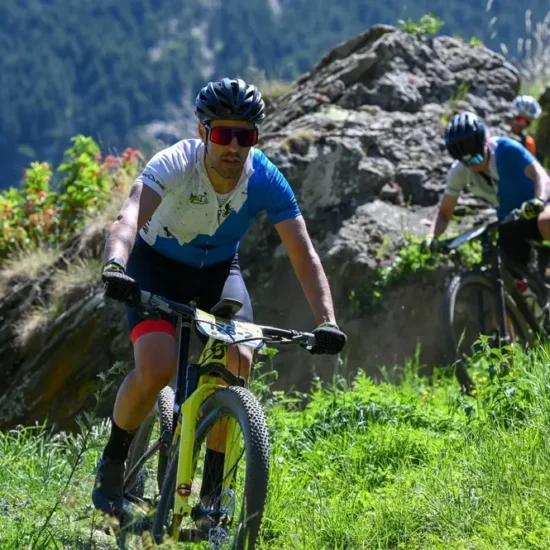
Constraints to anticipate before choosing Andorra
Andorra has many advantages, but it is not an ideal destination for every athlete. Accessibility is probably the most obvious trade-off. The absence of a major international airport means traveling by road to nearby airports. For an athlete who makes several international trips each month, these additional hours can become significant over the course of an entire season.
The real estate market also deserves particular attention. Finding a property that simultaneously meets administrative requirements, budget constraints, family needs and proximity to training facilities can take time.
International taxation is ultimately the main point requiring attention. A move based solely on administrative considerations may be challenged if the facts show that the athlete’s actual center of life remains in another country. This is why the project must be considered as a whole: residence, taxation, professional activity, family, assets, travel and sports organization.
Andorra, Monaco or Switzerland: which destination for an athlete?
Comparing these destinations solely on the basis of their tax rates rarely leads to a good decision.
Monaco has a particularly well-developed international environment and immediate proximity to Nice Airport. Its real estate market and cost of living are nevertheless very different from those of Andorra. Its tax situation also has specific features that depend in particular on the resident’s nationality and personal circumstances.
Switzerland offers a stable economic and legal environment as well as excellent international connectivity. However, its taxation varies significantly between cantons and municipalities, making broad comparisons of limited relevance.
Andorra stands out more for the combination of moderate taxation, a mountainous environment, a strong outdoor sports culture and a small territory. For a cyclist or endurance athlete who wants to train in the mountains every day, this combination can make a great deal of sense. For an athlete who flies several times a week, the lack of an international airport may, on the other hand, weigh heavily in the decision.
The best destination is not necessarily the one with the lowest tax rate. It is the one that remains consistent with the athlete’s career, income, travel requirements and family life.
An expatriation that should remain a genuine life project
Andorra can offer professional athletes a particularly attractive environment: mountains, sports facilities, privacy, security and competitive taxation. These advantages explain why the Principality is regularly considered by international athletes. But a solid expatriation plan cannot be built around a single tax advantage.
Before moving, it is necessary to determine the appropriate residence status, check the tax rules applicable in each country concerned, plan for accommodation and travel, and ensure that the move genuinely fits the lifestyle of the athlete and their family.