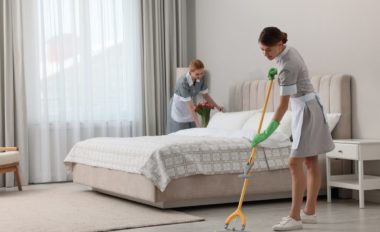

Childcare in Andorra: a few details to consider
Finding someone to look after your child is rarely just a matter of availability. When you have recently moved to Andorra, the decision can be even more difficult. You need to understand the local childcare options, assess the reliability of a childcare facility or nanny, plan your budget and, above all, find a childcare arrangement that both parents and children genuinely feel comfortable with.
There is no single solution that is ideal for every family. A nursery may be perfectly suited to parents looking for a group setting and regular hours, while a nanny providing care at home may be more appropriate for unusual schedules. For a young child, care in a small group may also be preferable. The key is to start with your family's actual situation. You need to understand the main options, ask the right questions and check the important points before entrusting your child to a professional.
How to start your childcare search in Andorra?
Before contacting nurseries or people offering childcare services, take a few minutes to clearly define what you need. The child's age, the days and hours of care, the location, the languages spoken at home and the possible need for early-morning, evening or holiday care can significantly change your search.
The language issue is worth considering in advance. Catalan is the official language of Andorra, but French and Spanish are also widely spoken in everyday life. For a newly settled family, choosing someone who can communicate in a language the child is already familiar with can make the first few weeks easier. Conversely, a Catalan-speaking environment can gradually help the child integrate into local life.
Once you have defined your criteria, several options can be explored. Families generally turn to childcare facilities in their parish, early childhood professionals, agencies when looking for in-home childcare, as well as recommendations from other parents.
Word of mouth can be invaluable in a small country like Andorra, but a recommendation should not replace your own checks. Someone who is a perfect fit for one family will not necessarily be the right choice for another.
Before making a decision, it is advisable to meet the childcare professional, check their experience and references and, when a licence, authorisation or qualification is required, ask to see the relevant documentation.
Nursery, in-home childcare or small-group care: which option should you choose?
The choice mainly depends on the child's age and temperament, but also on the parents' daily routine. A nursery or daycare centre provides a group environment that is relatively structured. For many children, it is their first opportunity to socialise outside the family circle. Days are generally organised around meals, rest, play and age-appropriate activities.
This solution is particularly suitable for families with fairly regular schedules. However, it can become less practical when working days start very early, end late or change frequently. Care provided by an early childhood professional often takes place in a smaller group. Some parents appreciate this compromise between group childcare and a more family-oriented environment.

An in-home nanny follows a different approach. The child can keep their familiar routines and the professional can adapt more closely to their individual rhythm. This option becomes particularly useful when you need to manage school pick-ups, look after several children at the same time or deal with schedules that are difficult to reconcile with those of a childcare facility.
Finally, babysitting is generally suited to occasional needs: an evening out, a few hours after school, an appointment or an unexpected absence. It is therefore more relevant to compare these options based on your daily routine rather than ranking them in any general order.
Criteria for choosing a nursery or daycare centre in Andorra
An attractive brochure or a pleasant first visit is not enough to assess the quality of a childcare facility. Observing the environment in person often provides much more information. During your visit, look at how the adults interact with the children. Do they have time to respond to them? Does the atmosphere seem calm despite the activity? Can the children rest when they need to? Do the spaces appear suitable for their age?
Ask the facility about the practical organisation of a typical day. You should be able to understand who looks after the children, how meals and naps are managed, what activities are offered and how parents are informed about what happened during the day.
Incident management deserves particular attention. Ask what happens in the event of a fever, a fall or an allergic reaction, how parents are contacted and what emergency procedures are in place. For an infant or a child with specific needs, these discussions are even more important.
Registration requirements and the documents requested may vary depending on the facility and the family's circumstances. You should ask the relevant facility directly for the up-to-date list of required documents and, when necessary, confirm the requirements with the appropriate official authorities.
If you are considering enrolling your child for the start of the school year, it is also better to enquire well in advance. Availability can vary considerably depending on the parish, the child's age and the time of year.
Is multilingualism important when choosing childcare in Andorra?
For an expatriate family, language can play an important role in a child's adaptation. A young child entering a completely new environment may feel reassured when an adult understands the language they are used to. This is particularly helpful during sensitive moments such as tiredness, mealtimes, morning separation or a minor upset.
However, it is not necessarily necessary to look for an exclusively French-speaking environment. Gradual exposure to Catalan, French and Spanish can also be an asset in the Andorran context. What matters is understanding how the languages are actually used on a daily basis. A childcare facility that describes itself as multilingual should be able to explain who speaks which language with the children and in what situations.
For a child who is already attending school, it may be useful to coordinate the language used during childcare with the language of their school and the family's linguistic goals.
How much does childcare cost in Andorra?
It is difficult to give a single rate that applies throughout Andorra. The cost depends on several factors, including the type of childcare, the facility, the number of hours, the child's age and the services included. For in-home childcare, the person's experience, qualifications, required working hours, number of children and specific skills may all influence their pay.
Rather than building your budget around an average rate found online, ask for several quotes or price lists that match your exact situation. In particular, check what is included in the price: meals, activities, travel, additional hours, holiday childcare or any potential surcharges. This precaution helps avoid unpleasant surprises and, above all, allows you to compare genuinely comparable services.
As for potential financial assistance, eligibility conditions may change. You should check your eligibility with the relevant Andorran authorities and organisations or with the Comú of your parish rather than relying on an amount published several months or years ago.
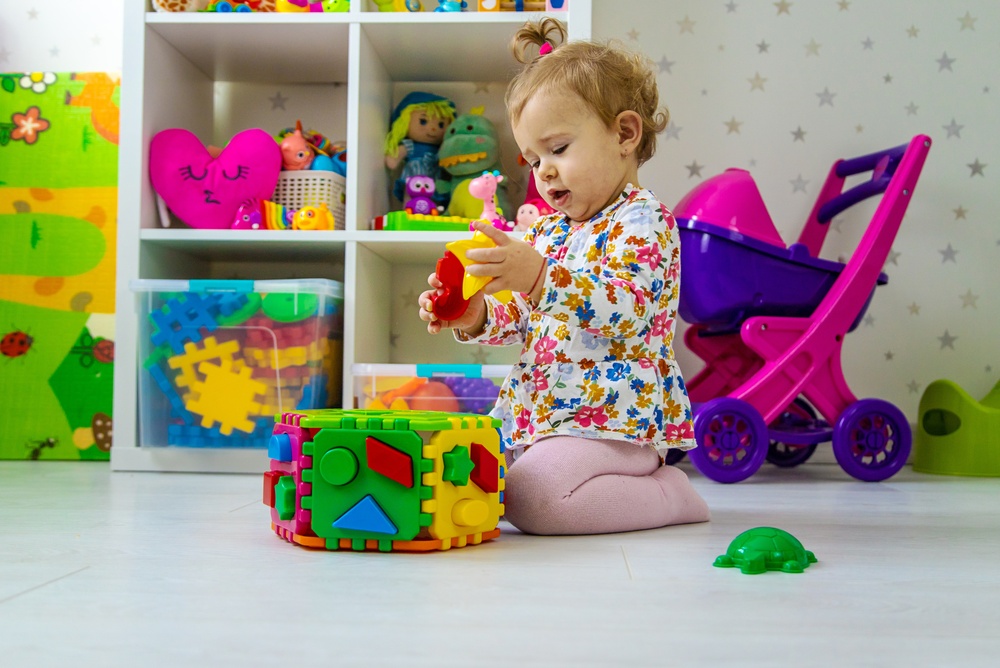
Hiring a nanny in Andorra: the importance of the administrative framework
Regular in-home childcare should not be arranged solely on the basis of a verbal agreement. The person's status, their right to work in Andorra, the terms of employment, remuneration and any social security obligations should be checked before the arrangement begins.
The applicable formalities depend on the employee's situation and the nature of the job. For this reason, it is best to confirm the necessary steps with the relevant Andorran authorities before signing a contract or starting regular childcare.
A Gestoria can be useful when you have just arrived in the country and are not yet familiar with the local administrative procedures. Beyond the formalities, ask for recent professional references and take the time to actually check them. A few minutes speaking with a former family can provide information that a CV will never reveal: punctuality, reliability, ability to handle unexpected situations or communication with parents.
When certain documents or supporting evidence are relevant to the position, ask the candidate to provide them directly, in accordance with the applicable legal framework.
How to interview a nanny or babysitter?
A good interview is not simply about asking how many years the person has worked with children. Situational questions are often much more revealing. For example, ask how they would react if your child refused to eat, had a minor injury at the park, threw a major tantrum or suddenly developed a fever.
There is not necessarily a perfect answer. What matters is the person's ability to calmly explain their reasoning, understand their own limitations and inform you when a situation requires it. Also discuss everyday matters. How do they view screen time? Outdoor activities? Homework? Meals? Naps? How do they react when a child refuses to follow an instruction? These topics may seem secondary during the recruitment process, but they are precisely the issues that can create tension later when they have never been discussed.
Pay as much attention to the questions the person asks you. Someone who wants to know about your child's sleeping habits, allergies, fears, preferences, personality or routines is trying to understand the person they will be responsible for. This is generally an important factor to consider in your overall assessment.
A settling-in period is often preferable
Even after an excellent interview, it can be difficult to know how the relationship will work on a daily basis. When possible, plan a gradual transition. An initial meeting with the parent present, followed by a short period of childcare and finally a normal day, allows everyone to become comfortable with the new arrangement.
This period is particularly useful with young children or after an international move. They may have to deal simultaneously with a new home, a new school, new adults and a new language. It is perfectly normal for a child to need time to establish new routines and reference points.
After the first few days, observe their behaviour without drawing conclusions from a single difficult morning. Also ask the childcare professional how separations, meals, playtime and quiet periods are going. Regular communication generally makes it easier to identify what needs to be adjusted.
Extracurricular activities: a way to support integration
For a child who has recently arrived in Andorra, childcare is only one part of their new environment. Sports, arts, cultural or language activities can help them meet other children outside school. They also provide an opportunity to gradually discover local life and practise the languages spoken in the country in natural situations.
However, the goal is not to fill every available hour. After a move, some children mainly need time to establish a stable routine again. Choose activities based on their interests, age and level of tiredness. An activity they genuinely look forward to will generally be more beneficial than a very busy schedule designed solely to speed up their integration.
Municipalities, schools, associations and local organisations can provide families with information about activities available in their area.

What signs should reassure you before entrusting your child to someone?
Trust does not depend on a single criterion. It is built through a combination of consistent factors. A reliable professional should be able to clearly explain their experience, working methods and how they would respond in an emergency. They should not be uncomfortable with reasonable questions about their references, qualifications or how the childcare arrangement is organised.
In a group childcare setting, transparency is equally important. Parents should understand how the day is organised, how incidents are handled and who they can contact if they have a question.
Pay attention to the consistency between what is announced and what you actually observe. A facility that claims to prioritise individual attention should be able to demonstrate how this is achieved in practice. Someone who describes themselves as highly experienced with infants should be able to speak specifically about their routines and needs.
Conversely, consistently vague answers, references that cannot be verified, reluctance to explain safety procedures or pressure to make an immediate decision are all reasons to continue your search.
How do you know if you have found the right solution?
The right childcare arrangement is one that meets both the child’s needs and the family’s realistic constraints. Before committing, you should know exactly who will be looking after your child, under what conditions, during which hours and what procedures will apply if a problem occurs. You should also know the actual cost of the service and have verified the important information you have been given.
But documents and qualifications do not tell you everything. The quality of communication also matters. You should be able to ask a question without difficulty, report a change in your child’s habits and receive a clear answer when something has happened during the day.

In Andorra, as elsewhere, choosing reliable childcare takes some time. Visiting several facilities, meeting several people and checking essential information may seem tedious at first, but this preparation directly contributes to a more peaceful and reassuring relationship afterwards.
For administrative information, access conditions for public services, potential financial assistance or obligations related to employing someone at home, always prioritise up-to-date information from the relevant Andorran authorities. As rules, rates and schemes may change, checking this information is particularly important before taking any official steps.
Once the administrative and professional aspects have been checked, the final criterion remains deeply human. Your child should be able to build a secure and trusting relationship with the person looking after them, and you should be able to leave knowing exactly who you are entrusting your child to.