Calling on a home nurse in Andorra: procedures, care and advice
Being discharged from hospital, having recently undergone surgery, experiencing a loss of independence or living with a chronic illness can make home nursing care necessary. In Andorra, this solution allows patients to receive certain types of care without having to travel regularly to a medical centre or hospital. However, when you are still unfamiliar with the Andorran healthcare system, several questions can quickly arise. Is a medical prescription required? How can you find a qualified nurse? What types of care can actually be provided at home? What level of coverage can you expect from CASS or private insurance?
These questions deserve clear answers, particularly because healthcare is a sensitive matter. Choosing a professional should not be based solely on their availability or quoted rate. Their qualifications, the framework in which they practise and their coordination with the doctor are equally important.
When should you call on a home nurse in Andorra?
Home nursing care is particularly useful when a patient needs regular care but their condition does not require permanent hospitalisation.
This may be the case following certain surgical procedures. Returning home may require wound monitoring, dressing changes or other care prescribed by the doctor. Receiving this care at home avoids repeated journeys, which can be particularly helpful during recovery.
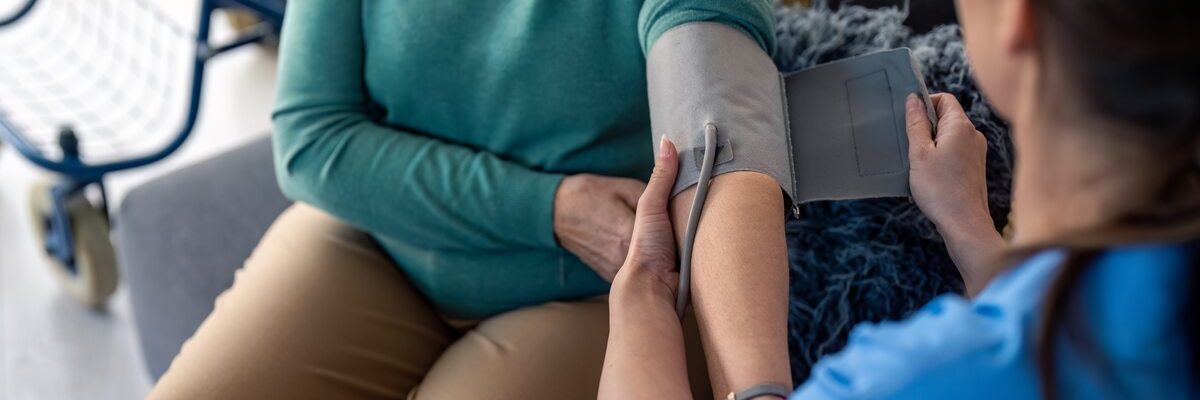
People with chronic illnesses may need nursing follow-up. Depending on the condition and the medical prescription, the nurse may monitor certain parameters, administer prescribed treatments and provide patient education to help them better understand their treatment and recognise the signs that should prompt them to seek medical advice.
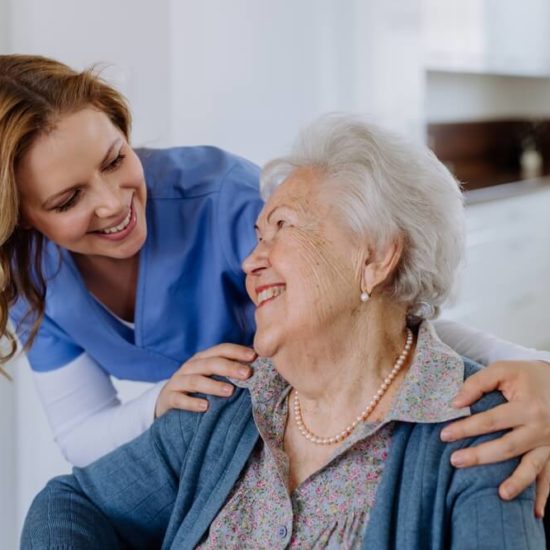
For an elderly person or someone experiencing a loss of independence, the needs are often different. The intervention may form part of a broader support plan designed to allow the person to remain at home in the best possible conditions. However, the role of a nurse should be distinguished from that of a home care assistant: not all daily assistance tasks necessarily constitute nursing care.
Palliative care is another situation in which home care may be preferred when the patient's condition and medical arrangements make it possible. The aim is then to preserve the patient's comfort and quality of life as much as possible, in coordination with other healthcare professionals.
It is equally important to distinguish between a one-off intervention and ongoing care. For example, a blood test or dressing change may require only one visit, whereas a chronic wound or certain treatments may require several visits.
Whether a prescription is required depends on the nature of the procedure and the care arrangements. For medical care or prescribed treatment, it is advisable to check the requirements beforehand with the doctor, nursing professional and, when reimbursement is being sought, CASS or the relevant insurer.
Finally, home nursing care is not a substitute for emergency services. Severe chest pain, sudden difficulty breathing, loss of consciousness, signs suggestive of a stroke or any serious and sudden deterioration in health require urgent medical attention.
What care can a nurse provide at home?
The type of care provided depends primarily on the patient's condition, any prescription required and the skills needed to perform the procedure safely.
A nurse may, in particular, provide wound care, prescribed injections, certain blood tests or postoperative care. Depending on the medical circumstances and the conditions required to ensure a safe intervention, certain treatments requiring nursing supervision may also be organised at home.
The nurse's role is not limited to carrying out a technical procedure. A significant part of the follow-up involves observing the patient. Changes in a wound, tolerance of a treatment or the appearance of new symptoms may lead the nurse to recommend a medical reassessment.
This presence is particularly valuable for people with chronic illnesses. A nurse can contribute to therapeutic education, remind patients of the instructions for a prescribed treatment and help them identify symptoms that require medical advice.
Consider a concrete example. After surgery, a patient living in Escaldes-Engordany may have difficulty travelling for several days. If their doctor has prescribed regular wound care, having a home nurse visit can save them several journeys while also allowing the healing process to be monitored.
However, home care is not suitable for every situation. Surgery, resuscitation, certain diagnostic examinations or situations requiring intensive medical monitoring should take place in a facility equipped with the necessary resources.
If you are unsure whether a particular treatment can be provided at home, the best approach is to ask the doctor or nurse whether the procedure can be carried out under sufficiently safe conditions.
Who can benefit from home nursing care in Andorra?
The need for nursing care is obviously not limited to Andorran citizens or residents. An expatriate, foreign worker or visitor may need medical care during their stay. What mainly changes is how the care will be covered administratively.
Before the first visit, prepare any relevant medical documents, such as prescriptions you have received, as well as an identity document and information about your health coverage. This allows the professional to quickly understand the situation and determine what procedures are required.
If you are affiliated with the Caixa Andorrana de Seguretat Social (CASS), check the conditions that apply to the prescribed treatment and to the professional you have chosen. The fact that care is medically necessary does not automatically mean that it will be fully reimbursed.
If you have private or foreign health insurance, ideally contact your insurer before the care begins. Ask whether home nursing care provided in Andorra is covered, whether prior authorisation is required and which supporting documents will need to be submitted. Depending on the policy, you may need to pay the costs upfront.
For someone who has recently moved to Andorra, language can add another difficulty. It is worth asking which languages the professional speaks from the very first contact, especially if you need to communicate in French, Catalan, Spanish or English.
How much does home nursing care cost in Andorra?
It is difficult to give a single, reliable rate without knowing what care is required and which professional will provide it. The price may vary depending on the nature of the procedure, its duration, the frequency of visits, the travel involved and the equipment used. It is therefore advisable to ask the professional directly for an estimate before care begins.
Ask exactly what is included in the quoted price. Is travel included? Are certain supplies charged separately? Does the rate change in the evening, at weekends or on public holidays? What would the total cost be if several visits were required?
The same caution applies to reimbursement. Conditions may change and depend on the patient's status, the care provided and their coverage. For this reason, reimbursement rates and applicable fees should be checked directly with CASS or the relevant insurer when the care is arranged.
Keep all prescriptions, invoices and other supporting documents provided by the professional. They may be required when requesting coverage or reimbursement.
How can you verify a nurse's qualifications in Andorra?
The professional's qualifications are an essential consideration. When it comes to healthcare, a personal recommendation or an online review is not enough to establish that someone is legally authorised to provide nursing care. The profession is regulated in Andorra. Before arranging care, it is reasonable to ask the professional under what framework they practise and how their professional authorisation can be verified.
The Col·legi Oficial d’Infermeres i Infermers d’Andorra is therefore a relevant resource for finding information about the profession and the professionals who practise it in the country. This verification is particularly important when the contact comes from an advertisement, social network or informal recommendation.
A reputable professional should be able to clearly explain what they can do and, just as importantly, what falls outside their scope of practice. Recognising that a situation requires medical advice or hospital care is a sign of professionalism, not a weakness.
Confidentiality regarding medical information must also be respected. Medical records, prescriptions and information concerning a patient's health should be handled with the discretion expected of a healthcare professional.
How to choose a home nurse in Andorra?
Once the professional's qualifications have been verified, the choice largely depends on your situation. Start by clearly explaining what is needed: the nature of the prescribed care, the expected frequency, the location where care will be provided, the patient's mobility and any scheduling constraints. This will allow the professional to quickly confirm whether they can provide the required care.
Then ask whether they have relevant experience with the type of care involved. The needs are not the same for someone receiving postoperative care, a patient with a chronic illness, a dependent elderly person or a patient requiring palliative support.
Availability is equally important. If care needs to be provided several times a week, it is better to know from the outset how visits will be handled if the professional is unavailable and who to contact if the patient's condition changes between visits.
Good communication is just as important. The professional should be able to explain what they are doing in understandable terms, answer questions and clearly indicate when the doctor should be contacted again.
On the other hand, be cautious of anyone who refuses to clarify their qualifications, offers to perform a medical procedure without taking an interest in your medical records or the relevant prescription, promises guaranteed medical results or remains vague about their fees.
Before arranging care for several weeks, it is useful to clarify in writing the planned frequency of visits, fees, cancellation terms, contact details and the arrangements to be followed if the professional is unavailable.
What role can a Gestoria play?
People who have recently moved to Andorra are often familiar with the role Gestorias play in many administrative procedures. They can indeed be useful when it comes to understanding local formalities, gathering documents or being directed to the appropriate contacts.
However, it is important to distinguish between administrative support and medical decision-making. A Gestoria can help you understand a procedure, but it does not replace either the doctor who assesses the need for care or the nursing professional who provides it. For any question concerning the appropriateness of a treatment or the safety of care, the appropriate contact should remain a healthcare professional.
For questions concerning social security coverage, reimbursement and administrative procedures, it is advisable to check the information directly with CASS. For the organisation of care within the public healthcare system, the Servei Andorrà d’Atenció Sanitària (SAAS) is also a key point of contact. This distinction helps avoid a common mistake: asking an administrative intermediary to make a decision that actually falls within the scope of medical judgement.
Where can you find reliable information in Andorra?
When it comes to healthcare, not all sources are equally reliable. A commercial website, forum or personal testimonial may provide useful leads, but they should not be used on their own to verify professional requirements, reimbursement conditions or what to do in an emergency.
For questions relating to social security and reimbursement, prioritise information published by CASS. For information about public healthcare facilities and services, take the time to consult SAAS. Regulatory information can be verified with the relevant Andorran authorities, while questions concerning the nursing profession can be cross-checked against information from the Col·legi Oficial d’Infermeres i Infermers d’Andorra.
This hierarchy of sources is particularly important because administrative requirements, fees and coverage arrangements may change. Information that was accurate when an article was published may no longer be accurate several months or years later. The date when content about healthcare in Andorra was last updated should therefore be checked before making a decision.

What should you prepare before the first visit?
A few minutes of preparation can make the first visit much more effective. Keep the prescription available when required, along with any documents provided following a hospital stay and an up-to-date list of current medications. Inform the nurse of any known allergies and any medical information your doctor has asked you to share.
Make sure the professional can easily access the home and that a clean, adequately lit space is available for the care to be provided. Finally, use this first meeting to ask the practical questions that really matter: who should be contacted in case of a problem, which symptoms should prompt you to call the doctor, how future visits will be organised and which documents will be provided for administrative coverage.
Key considerations when hiring a nurse in Andorra
Arranging home nursing care in Andorra is not simply a matter of finding someone who is available. First, a healthcare professional should determine whether home care is appropriate for the situation. You should then verify the nurse’s qualifications, clarify the scope of care and understand the financial arrangements before starting treatment.
For information that may change, such as reimbursement rates, administrative requirements and professional regulations, always verify the details with the relevant official organisations. And if the patient’s condition suddenly deteriorates, searching for a home nurse should never delay seeking emergency medical care.